
Short answer: A US visa refusal for a visitor is usually made under section 214(b) of the Immigration and Nationality Act, which means the consular officer was not convinced you will return home after your trip. There is no appeal, but you can reapply when your circumstances or evidence are genuinely stronger, with a new DS-160 and a new fee. A 221(g) refusal is different: your case is on hold for more documents or administrative processing, and you usually do not need to pay again if you resolve it within a year. Misrepresentation is the most serious ground and can make you permanently ineligible.
| Quick facts | Details |
|---|---|
| Most common refusal | Section 214(b): not shown strong ties to return home |
| 221(g) | Case on hold for documents or administrative processing |
| Visitor visa (B-1/B-2) fee | US$185, not refunded (US Department of State) |
| Appeal | No appeal for visa refusals |
| Reapplying | New DS-160, new fee and new interview |
| Misrepresentation | Can cause permanent ineligibility, waiver possible for visitors |
| Where UK residents apply | US Embassy London |
Table of Contents
What does a US visa refusal mean?
A US visa refusal means a consular officer decided you did not qualify for the visa you applied for, or that more information is needed before a decision can be made. The officer usually tells you at the end of your interview and gives you a letter naming the section of US law that applies. That section number is the key to understanding your US visa refusal.
US visa refusal under section 214(b)
Section 214(b) of the Immigration and Nationality Act presumes that every visitor intends to immigrate, unless they show otherwise. To get a B-1/B-2 visitor visa, you must convince the officer that:
- Your trip is temporary. For business, tourism, family visits or medical treatment.
- You will leave the USA. At the end of your authorised stay.
- You have ties abroad. Such as a job, business, family, property or studies that will make you return.
- You can pay for the trip. Without working illegally in the USA.
A 214(b) refusal is not a permanent ban. It means that, on the day of your interview, the officer was not satisfied. Many people who receive a 214(b) US visa refusal are approved later when their circumstances change.
US visa refusal under section 221(g)
A 221(g) letter means your application is incomplete or needs administrative processing. The officer may ask for more documents, or your case may need further security checks. Follow the instructions on the letter exactly. If you provide what is requested within one year, you usually do not need to pay a new fee. Administrative processing can take weeks or months, and there is no reliable way to speed it up.
The 8 most common reasons for a US visa refusal
- Weak ties to your home country. The most common reason, under 214(b).
- Unclear purpose of travel. Vague answers about what you will do in the USA.
- Inconsistent answers. Interview answers that do not match your DS-160.
- Limited travel history. No previous travel to other countries.
- Unclear finances. A trip that seems too expensive for your income, or unexplained funds.
- Family in the USA without lawful status. Raises concerns about your intentions.
- Previous overstays or violations. Including past visa or ESTA misuse.
- Misrepresentation. False information or documents, which can lead to permanent ineligibility.
Can you appeal a US visa refusal?
No. There is no appeal for a US visa refusal. You can only reapply. The Department of State’s guidance is clear that reapplying without a significant change in your circumstances is unlikely to lead to a different result.
| Refusal type | What it means | What to do | New fee? |
|---|---|---|---|
| 214(b) | Not convinced you will return home | Reapply when your situation is stronger | Yes |
| 221(g) | Missing documents or administrative processing | Provide what is requested and wait | Usually no, within 12 months |
| 212(a)(6)(C)(i) | Misrepresentation or fraud | Take legal advice; a waiver may be possible for visitors | Yes |
| ESTA denied | Not eligible for the Visa Waiver Program | Apply for a visitor visa instead | Yes, visa fee |
What to do after a US visa refusal: 7 steps
- Read your refusal letter. Note the section of law.
- Write down the interview. Record the questions and your answers while you remember them.
- Identify the weak points. Ties, purpose, finances or inconsistencies.
- Wait for a real change. A new job, promotion, marriage, property, more stable finances or more travel.
- Complete a new DS-160. Answer every question honestly, including the refusal. Our DS-160 form guide explains each section.
- Pay the fee and book a new interview. Follow the embassy’s current instructions.
- Prepare for the interview. Practise clear, short, honest answers. Our visa interview questions guide has common questions.
How long should you wait before reapplying?
There is no rule, but most people should wait until something meaningful has changed. Six months of new employment, a promotion, a completed trip to another country, a new business or a clearer purpose for travel are all examples. If your US visa refusal was caused by a misunderstanding at the interview, and your situation was already strong, you may decide to reapply sooner, but be ready to explain clearly.
How to strengthen your application after a US visa refusal
The officer decides mainly on the interview, so documents help only when they support your answers. Prepare:
- Employment evidence. An employer letter showing your role, salary, length of service and approved leave.
- Business evidence. Registration, tax returns and business bank statements if you are self-employed.
- Family ties. Marriage and birth certificates if your family stays at home.
- Property. Ownership or rental documents.
- Finances. Recent statements that match your income. Our visa bank statement guide explains what works.
- Travel history. Previous passports with visas for the UK, Schengen area, Canada or elsewhere.
- Purpose. An invitation, conference registration or itinerary.
Keep your answers consistent with your DS-160. Officers often decide in a few minutes, so a short, clear explanation of your trip and your ties matters more than a large folder.
Preparing for the interview after a US visa refusal
The interview is where most decisions are made. After a US visa refusal, prepare as carefully as you prepare your documents:
- Know your DS-160. Read it again before the interview. Your answers must match it.
- Explain the trip in one or two sentences. For example: “I am attending my sister’s graduation in Chicago for ten days and returning to my job.”
- Explain what has changed. If asked about the earlier refusal, say briefly what is different now.
- Answer the question asked. Short, direct answers are better than long speeches.
- Speak for yourself. Officers want to hear from the applicant, not from family members or agents.
- Bring documents but do not push them. Offer them only if the officer asks or if they answer a specific concern.
- Be honest. If you do not know something, say so. Never guess or invent an answer.
US visa refusal for students and workers
Student visa refusals under 214(b) often happen when applicants cannot explain their study plan, their funding or their plans after graduation. Work visa refusals are more often 221(g) cases waiting for petition checks or administrative processing. The approach is the same: understand the reason, fix it, and apply again with consistent, honest answers.
Common myths about US visa refusals
- “You must wait six months.” There is no fixed waiting period.
- “A refusal is permanent.” A 214(b) refusal is not a ban.
- “More documents guarantee approval.” Officers decide mainly on the interview.
- “An agent can influence the decision.” No one outside the embassy can change the outcome.
US visa refusal for UK residents
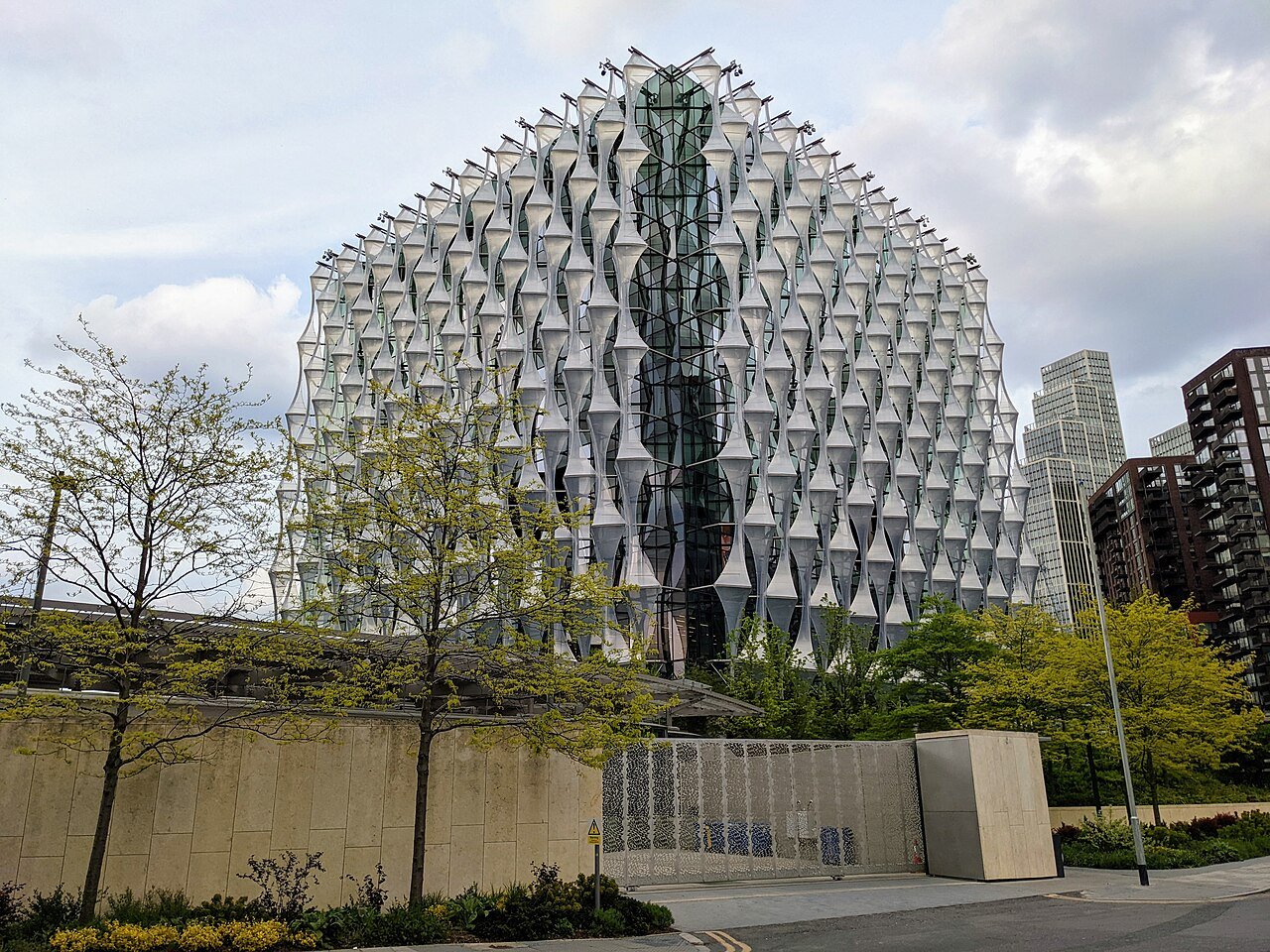
If you live in the UK and are not a British citizen, you will usually interview at the US Embassy in London. Since September 2025, applicants are generally expected to apply in their country of nationality or residence. Interview waiting times change, so check the embassy website for current availability. Our USA visa guide for British citizens and US visitor visa for family visits cover related situations.
ESTA denied: what to do
British citizens and other Visa Waiver Program nationals normally use ESTA. If your ESTA is denied, you cannot appeal. You can apply for a B-1/B-2 visa instead, and the consular officer will consider your case at an interview. Do not apply for ESTA again unless your circumstances have changed, as repeated denials do not help.
Misrepresentation and waivers
A finding of misrepresentation under section 212(a)(6)(C)(i) is much more serious than a 214(b) US visa refusal. It applies when an applicant gives false information or documents, or hides important facts, to get a visa or entry. It can make you permanently ineligible for US visas. For visitor visas, a waiver of ineligibility may be possible in some cases, but it is discretionary and takes time. If your letter mentions misrepresentation, speak to a US immigration attorney before reapplying, and never try to fix the problem by giving different false information.
Does a US visa refusal affect other visas?
UK, Canadian, Schengen and Australian forms ask whether you have ever been refused a visa. Answer honestly and give the date and country. A US visa refusal does not automatically lead to other refusals, but hiding it can be treated as deception.
A typical example
Example: Imran, a 26-year-old accountant in Karachi, was refused a US visitor visa under 214(b) after a short interview in which he struggled to explain his trip. Eighteen months later, he had been promoted, married, travelled to Dubai and Malaysia, and had a clear plan to visit a trade conference with his employer’s approval. He completed a new DS-160, explained the earlier refusal honestly, and answered clearly at the interview. His second application was approved.

Key takeaways
- Most US visa refusals are under 214(b), meaning weak evidence of ties or temporary intent.
- A 221(g) letter means your case is on hold, not finally refused.
- There is no appeal; you can only reapply.
- Reapply only after a genuine change in your situation.
- Keep your DS-160 and interview answers consistent and honest.
- Misrepresentation has the most serious consequences.
How can Alif Visa help after a US visa refusal?
Alif Visa is a UK-registered visa assistance company. We can help you complete a new DS-160 accurately, organise supporting documents, book your interview and prepare for common interview questions. For legal questions about ineligibility or waivers, speak to a US immigration attorney.
You can check your route, start an application or talk to our team.
Frequently asked questions
What does a 214(b) US visa refusal mean?
The officer was not convinced you will return home after a temporary visit. It is not a permanent ban, and you can reapply.
What does 221(g) mean?
Your application is on hold because documents are missing or administrative processing is needed.
Can I appeal a US visa refusal?
No. You can only reapply, and you should do so when your situation has genuinely changed.
How soon can I reapply after a US visa refusal?
There is no waiting period, but reapplying quickly without new circumstances rarely succeeds.
Do I get my visa fee back?
No. The US$185 visitor visa fee is not refunded.
Do I need to declare a US visa refusal?
Yes, on future US applications and on most other countries’ visa forms.
What if my ESTA was denied?
Apply for a B-1/B-2 visitor visa instead.